enquire today and build the team that keeps it moving.

The Level 3 Rail Engineering Technician Apprenticeship develops the technical skills needed to keep the railway safe and reliable. Throughout the programme, apprentices learn how to plan and deliver technical work, solve problems, manage resources and communicate effectively, while building a solid understanding of engineering principles and safe working practices. Combining practical workplace application with industry best practice, learners specialise in a rail discipline and gain the knowledge to work across the network and on trains. By the end of the apprenticeship, they are a competent technician who can be trusted to deliver technical work to a high standard.
This apprenticeship is ideal for people who enjoy practical problem solving and want a long-term technical career in rail. It is well suited to aspiring or existing technicians working in track, electrification, overhead lines, signalling, telecoms, traction and rolling stock or rail systems, as well as operatives ready to step up in responsibility. Whether you're starting out in the industry or progressing from an operative role, this programme provides the technical knowledge, safe working habits and hands-on experience needed to become a trusted rail engineering technician.

Apprentices are trained to carry out fault finding, testing and inspection to specification, keeping your assets performing.

Safe working practices run through the whole programme, protecting your people and meeting the demands of working on the railway.

Develop your own technicians around the way you work, with a structured route from apprentice to qualified team member.

Technicians learn to keep accurate records and confirm assets meet specification, supporting quality and compliance.
The Level 2 Rail Engineering Operative Apprenticeship gives learners a strong foundation for a career in the rail industry. Throughout the programme, apprentices learn how to work safely in a safety-critical environment, prepare work locations, support technical work and use tools, equipment and materials correctly.
Combining practical workplace application with industry best practice, learners build their understanding of general engineering techniques, teamwork and the commercial side of rail operation
The Level 2 Engineering Operative Apprenticeship gives learners a strong, transferable foundation in engineering and manufacturing. Throughout the programme, apprentices learn how to work safely, interpret job documentation, use tools and equipment correctly and keep their work area organised and efficient, before specialising in one of six job roles.
Combining practical workplace application with industry best practice, learners develop the quality focus, communication and problem solving skills that employers value, with a skill set that can move across engineering and manufacturing sectors.
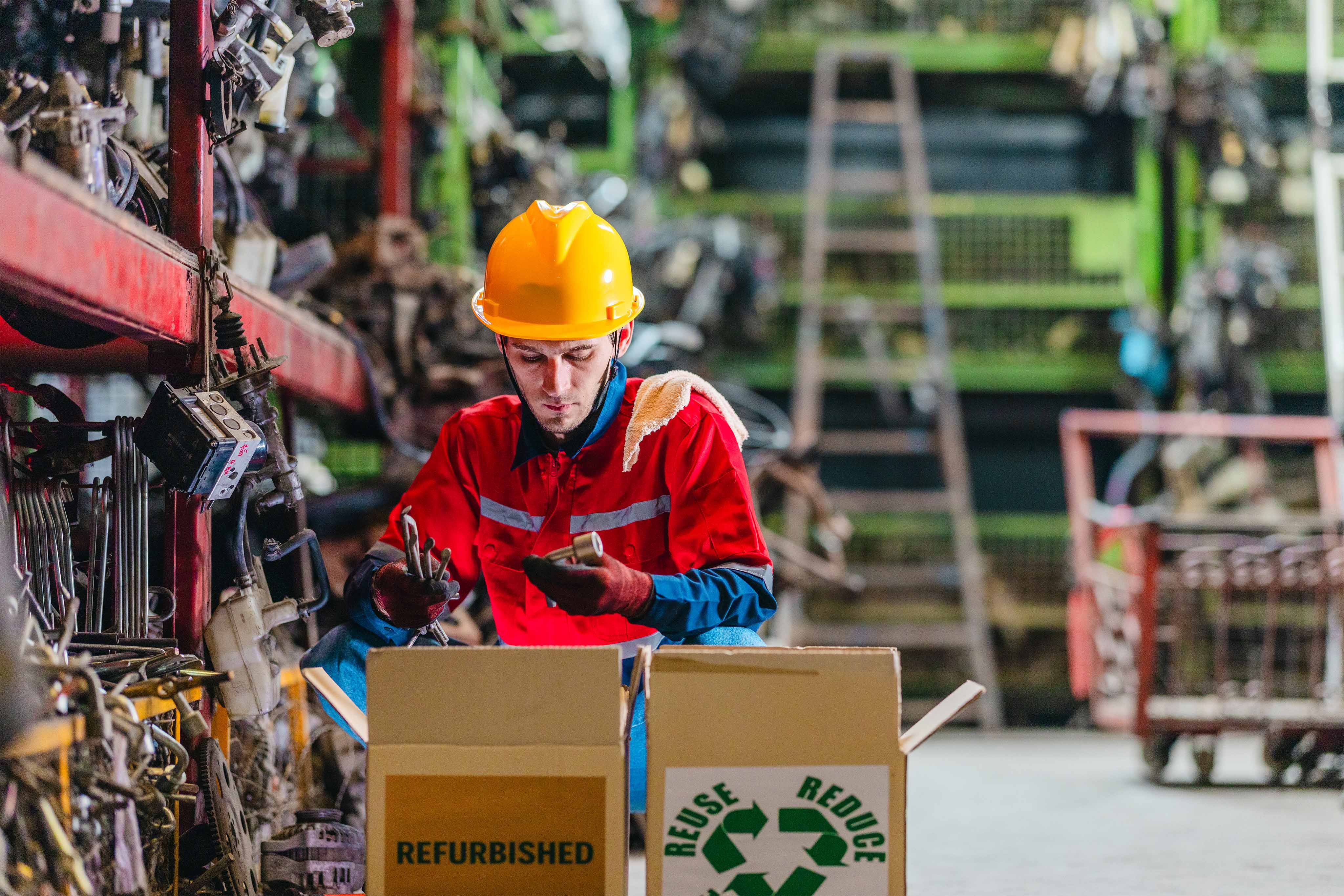
The Level 2 Metal Recycling General Operative Apprenticeship develops the skills needed to work confidently in a metal recycling yard. Apprentices learn to identify and grade materials, handle hazardous and non-hazardous waste correctly, work safely with plant and machinery and keep accurate records, while understanding how everyday decisions affect the commercial success of the business.
Combining practical workplace application with industry best practice, learners also build communication, problem solving and teamwork skills, and choose one specialist option.