
The Level 3 Lifting Equipment Technician Apprenticeship
The Level 3 Lifting Equipment Technician Apprenticeship develops the skills needed to keep lifting equipment safe, compliant and fit for purpose. Throughout the programme, apprentices learn how to examine, maintain and repair equipment ranging from chain hoists and lever hoists to slings, shackles and lifting beams, how to verify it through testing and how to complete the documentation that regulations require. Combining practical workplace application with industry best practice, learners also build customer communication, planning and problem solving skills. By the end of the apprenticeship, they can work confidently on site or in the workshop, giving clear, accurate advice to clients.
Who is the programme for?
This apprenticeship is ideal for practical problem solvers who want a career in a safety-critical, globally recognised occupation. It is well suited to new entrants and existing staff working for lifting equipment manufacturers, end users, owners, distributors, hirers and inspectors, in industries from construction and marine to manufacturing and entertainment. Employers typically look for a Level 2 qualification in maths. Whether you're starting out or formalising your experience, this programme provides the skills and knowledge to keep people and loads safe.
How your business Benefits

Safety and Compliance You Can Evidence
Apprentices are trained in LOLER, PUWER and wider legislation, and learn to produce the reports and records that demonstrate compliance.

Confident Customer Advice
Technicians learn to explain findings clearly and guide customers to the right equipment for the job.

Skills in Demand Across Industries
From construction sites to festival lighting rigs, wherever lifting equipment is used, trained technicians are needed.

Industry Recognition
Learners can progress to LEEA qualifications after a successful end-point assessment.
Level 3 Machining Technician
The Level 3 Machining Technician Apprenticeship develops the skills needed to produce precision components safely and efficiently. Throughout the programme, apprentices learn how to set up machines before production, monitor and correct them as work progresses, and choose the right processes, tooling and settings for each job.
Combining practical workplace application with industry best practice, learners build expertise in measuring and inspecting parts, working to quality procedures, solving problems and planning their work.
Level 2 General Welder
The Level 2 Welder Apprenticeship develops the practical skills needed to join metals safely and to a high standard. Throughout the programme, apprentices learn how to prepare materials and equipment, use different welding processes and produce welds that meet inspection requirements.
Combining practical workplace application with industry best practice, learners build the skills used in industries such as aerospace, construction, defence, mining, marine and structural engineering.
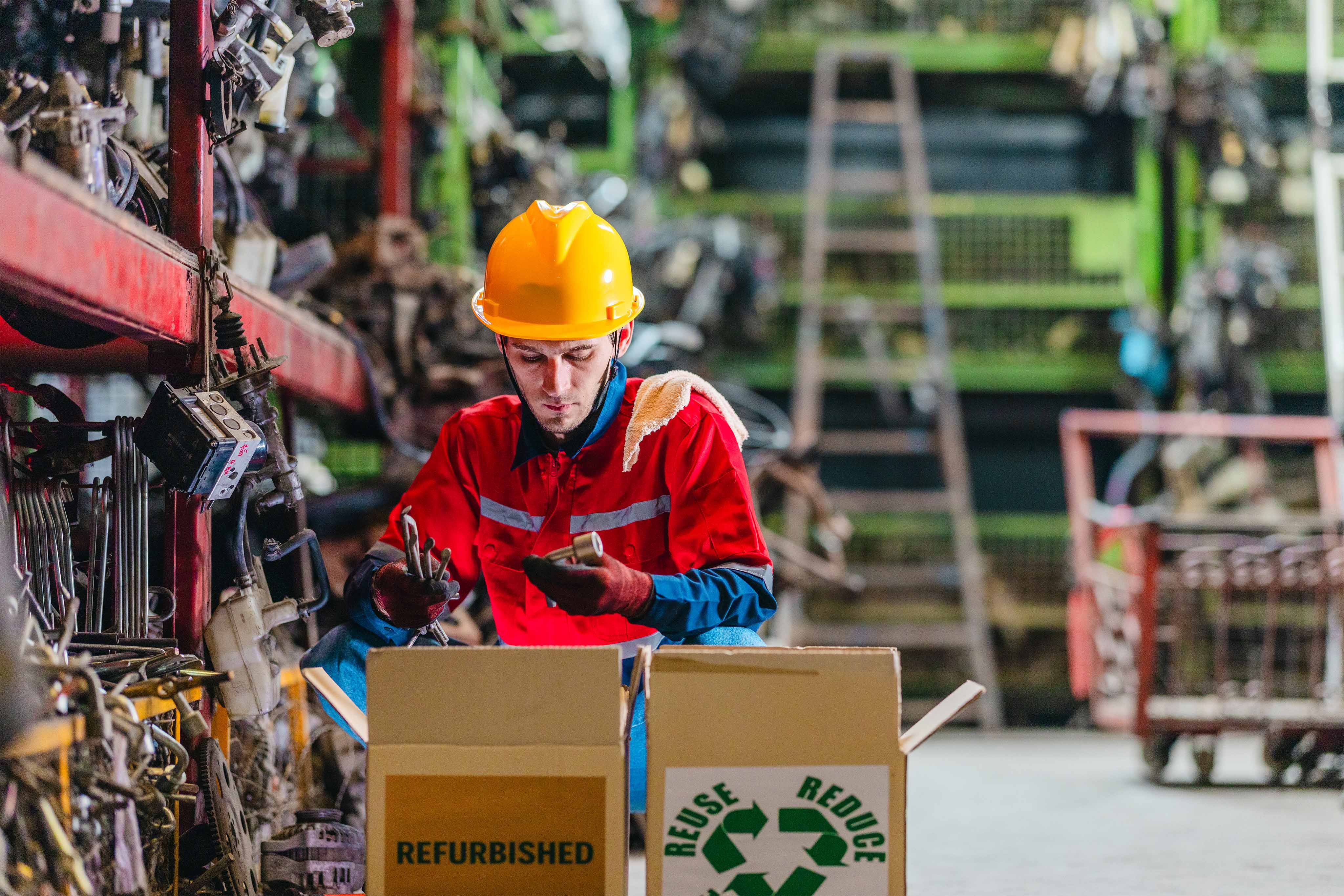
Level 2 Metal Recycling General Operative
The Level 2 Metal Recycling General Operative Apprenticeship develops the skills needed to work confidently in a metal recycling yard. Apprentices learn to identify and grade materials, handle hazardous and non-hazardous waste correctly, work safely with plant and machinery and keep accurate records, while understanding how everyday decisions affect the commercial success of the business.
Combining practical workplace application with industry best practice, learners also build communication, problem solving and teamwork skills, and choose one specialist option.